02Online Gambling
From One-Armed Bandits to Online Thrills: The Evolution of Slot Machines
A novelty on the saloon counter Long before casinos built whole halls around them, slot machines were small cabinets perched on bar counters and in cigar shops. They were a bit of…
- Acc. no.
- TT.2025.02
- Catalogued
- Re-examined
- Time to read
- 2 min
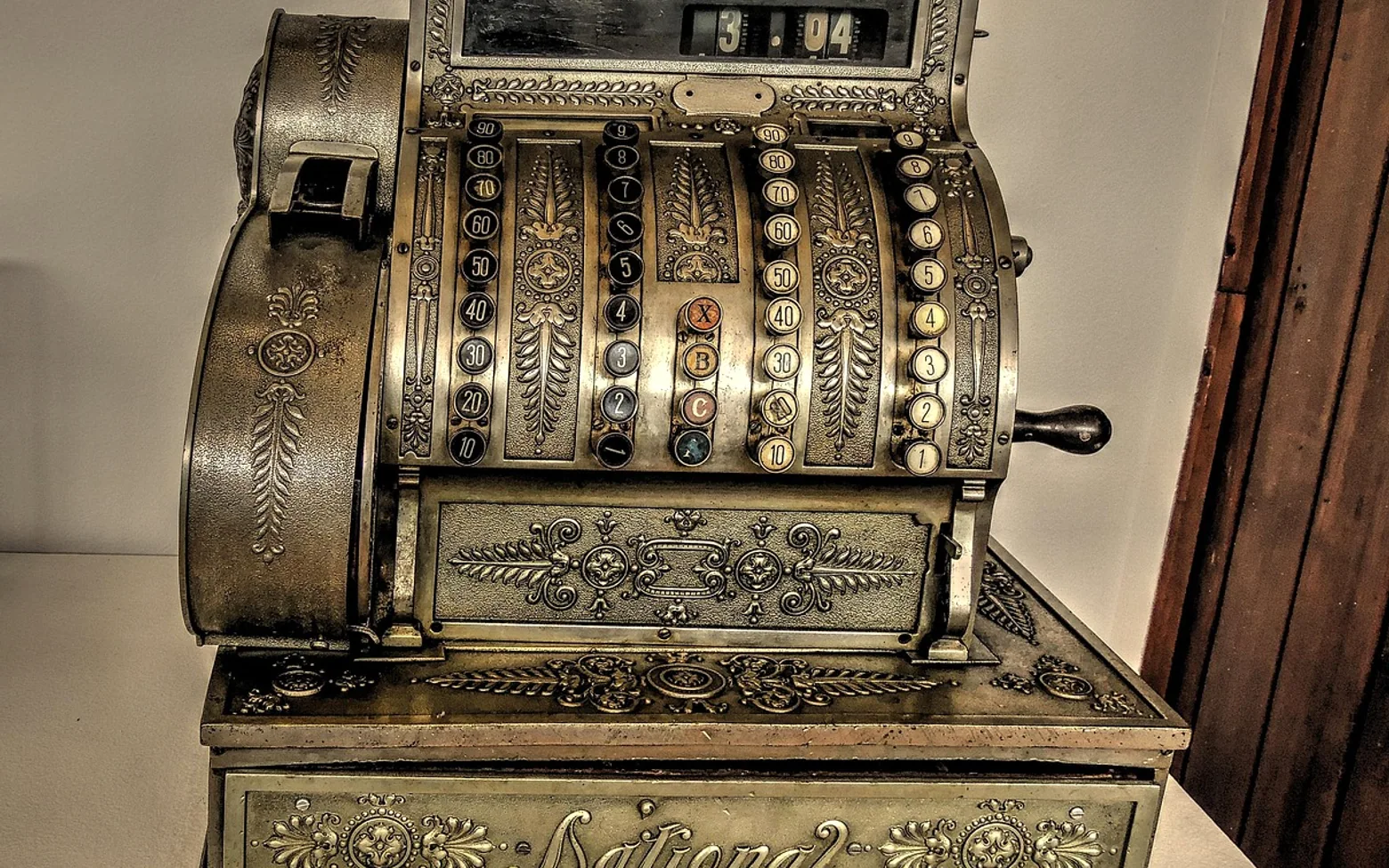
A novelty on the saloon counter
Long before casinos built whole halls around them, slot machines were small cabinets perched on bar counters and in cigar shops. They were a bit of fun beside the beer taps, offering a free drink, a cigar or a few coins to a lucky customer. Their nickname, the one-armed bandit, came from the side lever and the cheerful suspicion that the machine usually won. From the very start, the slot was a social object: something to try while waiting, laughing with whoever stood nearby.
Machines in disguise
As anti-gambling laws spread in various places in the early twentieth century, manufacturers got creative. Some machines were rebranded as dispensers of chewing gum or sweets, with fruit flavours printed on the reels to match. That is the usual explanation for the fruit icons found on retro-styled reels to this day, and of the "bar" symbol that echoes a gum company's logo. The episode shows how closely the history of slots has always been tied to the law of the day, a pattern that continues online.
The casino floor takes over
When legal gaming resorts grew in the middle of the century, slots moved from the corner of a bar to the centre of the room. Early on they were seen as a side attraction for guests who did not play cards, but they gradually became the main draw. Rows of lit cabinets, the clatter of coins in metal trays and the ringing of jackpot bells created a sound and look that people still associate with casinos. Electric motors and later video screens made the machines bigger and brighter, and microchips quietly took over the job of choosing each result.
From the living room to the betting app
Home computers, then phones, changed the setting again. A game once tied to a building could be opened from a sofa, and the casino lobby became a scrolling menu. Software also let operators bundle products together, so sports-focused brands began adding casino sections where customers could switch between a match and a reel without leaving the app. Names like sbobet, long associated with football markets in Asia, illustrate that blend of match odds and slot lobbies under one roof.
The social side moved too. Instead of a neighbour at the next stool, players now share clips, chat during live streams and compare favourite titles in online groups.
What every era has in common
- The appeal of a short, suspenseful moment before the reels settle.
- Bright symbols and sounds that make even small wins feel like an event.
- An outcome nobody can predict, and a design that leaves the operator ahead over time.
- Rules that differ from place to place and change with public opinion.
That last point still matters. Internet play is reserved for grown-ups, and what is permitted varies widely between countries and states, so check the local rules and settle on a budget before trying any modern descendant of the old saloon machine.
Constants of the cabinet
Fixed points behind every game
Whatever the theme, the lights or the feature list, these stay the same.
Results come from a random number generator and each spin stands alone.
The operator keeps a share of stakes over time; that is how the games are funded.
No feature, time of day or betting pattern turns play into income.
The info screen of the version you see is the only reliable source for its settings.
Every gambling game on these pages is for adults aged 18 and over.
Turbo and autoplay change how fast a budget is used, never the odds behind each spin.
Something to add?
Corrections are always welcome.