05Bankroll Basics
How Much Money to Bring to a Casino for One Night Out
There is no magic figure, but there is a reliable way to find yours: price the evening first, then check the games you want can live within it.
- Acc. no.
- TT.2026.14
- Catalogued
- Time to read
- 4 min
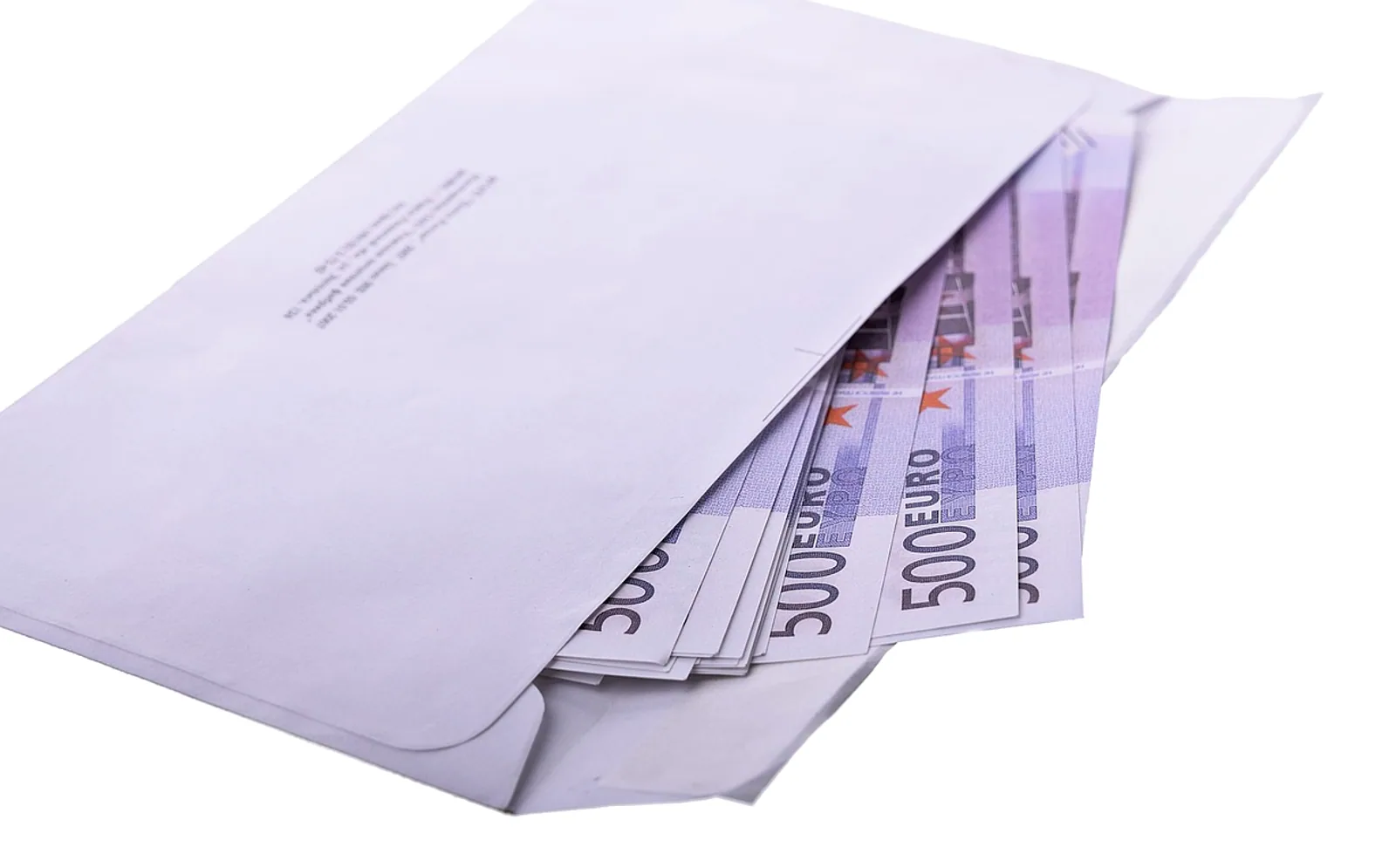
Bring the amount you would be comfortable spending in full on a night's entertainment, and nothing borrowed or set aside for bills. That figure is personal, so the more useful question is how to reach it: start from what the evening is worth to you, work out what your chosen games will ask of you each hour, and make sure the two numbers agree. If they do not, change the plan rather than the budget.
Start with the evening, not the games
Think about a casino visit the way you would think about a concert or a dinner out. Decide what you would happily pay for the whole experience. That total covers play, but also travel, food, drinks, parking and tips, all of which come out of the same pocket. Whatever remains after those is your float for the tables and machines.
Match the float to your games
Different games eat into a budget at very different speeds. Before the trip, find out the minimum stakes where you are going; they often rise in the evening and at weekends.
| Game style | What sets your spending pace | Planning tip |
|---|---|---|
| Table games | The table minimum and the number of hands or spins per hour | Allow for a reasonable number of minimum bets, not just a handful |
| Slot machines | Stake per spin and how fast you press | Choose a stake that lets the float last as long as you mean to stay |
| Poker room | The buy-in level | Decide in advance whether a second buy-in is allowed |
A worked example with invented figures: someone sets aside 150 for the evening. Dinner and travel take 50, leaving 100 to play with. At a table with a minimum of 10, that is ten minimum bets, which may not last long. At a slot set to 0.50 a spin, it is two hundred spins. Neither choice is wrong; the point is to know the trade-off before you sit down.
Cash, cards and the envelope method
Many regular visitors bring their float in cash and leave bank cards in the hotel safe or at home. Once the cash is spent, the night's play is over. Splitting the float into envelopes, one per session or one per game, makes the limit even easier to see. On-site cash machines are convenient, but they are also the easiest way to stretch a budget that was meant to be fixed, and they may charge fees.
If you buy in at a table, it helps to know what each colour is worth; our guide to casino chip colors and values covers the usual conventions.
Plan for a good night too
A float is not only a loss limit. Decide what happens if you finish ahead: how much you will put aside untouched and when you will call it a night. Win goals describes three simple approaches.
Mistakes that stretch a budget
- Going back to the cash machine "just once".
- Raising stakes late in the evening to win back earlier losses quickly.
- Following a doubling system without adding up its worst case; does the Martingale system work shows how fast that number grows.
- Counting player rewards as income. Points, tiers and free meals are linked to how much you stake, not a discount on losing, much like the loyalty levels in online slots.
- Playing tired. Decisions made in the small hours are rarely the careful ones.
A pre-trip checklist
- Write down the total for the evening.
- Subtract travel, food, drinks and tips.
- Check table minimums or choose a slot stake that fits what is left.
- Decide on a time to leave, whatever the result.
- Take the float in cash and leave the cards behind if you can.
Quick answers
Is there a recommended amount?
No figure suits everyone. A sensible amount is one you could lose entirely without it touching rent, bills, savings or your mood the next day.
Should I bring extra just in case?
Extra cash brought "in case" tends to get played. If you want a margin for travel or emergencies, keep it in a separate place and decide in advance that it is not for the tables.
Is it better to play slots or tables on a small float?
It depends on what you enjoy. Low-stake slots let a small float last longer in spins, while a table offers fewer, larger decisions and more social time. Both carry a house edge.
Casinos admit adults only, and the minimum age and house rules differ by country and state, so check before you travel. Losing the whole float is a normal outcome of a night out; if it has stopped feeling that way, it may be time for a break.
Constants of the cabinet
Fixed points behind every game
Whatever the theme, the lights or the feature list, these stay the same.
Results come from a random number generator and each spin stands alone.
The operator keeps a share of stakes over time; that is how the games are funded.
No feature, time of day or betting pattern turns play into income.
The info screen of the version you see is the only reliable source for its settings.
Every gambling game on these pages is for adults aged 18 and over.
Turbo and autoplay change how fast a budget is used, never the odds behind each spin.
Something to add?
Corrections are always welcome.