02Online Gambling
Lucky Symbols in Asian-Themed Slots: Dragons, Koi, Gold Ingots and the Number 8
Dragons on the top row, koi drifting past, gold ingots stacked in the corner and an 8 in the title. The symbols on Asian-themed slots come from much older traditions, and knowing them makes the art easier to read.
- Acc. no.
- TT.2026.26
- Catalogued
- Time to read
- 5 min
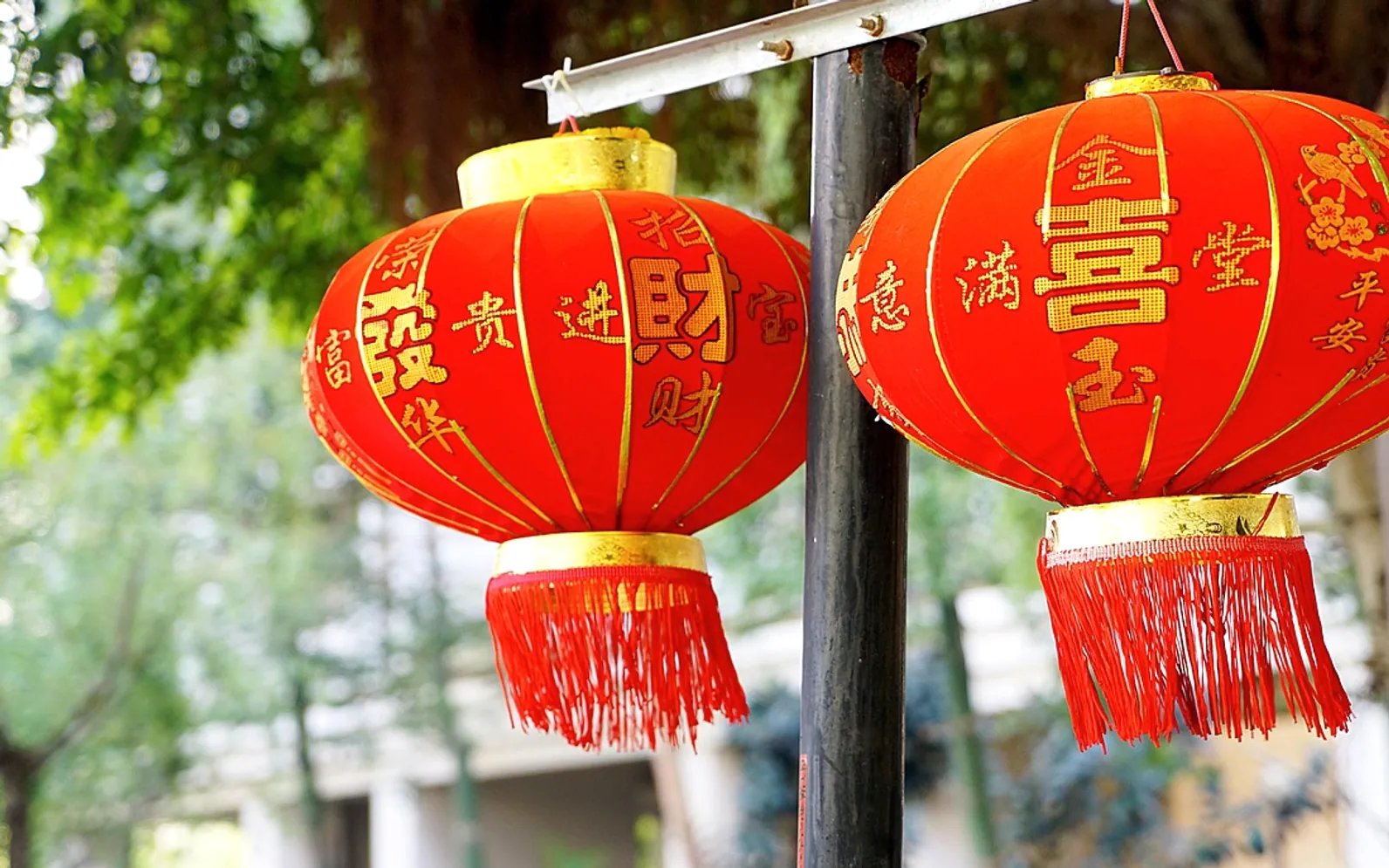
Most of the symbols on Asian-themed slots are borrowed from Chinese traditions of good fortune: the dragon for power and luck, koi for perseverance, gold ingots and square-holed coins for wealth, red envelopes for gifts at the new year, and the number 8 because its name sounds like the word for prosperity. Designers use them because they are instantly readable and festive. What they do not do is change how a game pays. The reels behind them are run by a random number generator, exactly like a slot themed on pirates or planets.
Below is a guide to the most common symbols, what they mean in the traditions they come from and how slot designers tend to use them.
Why numbers carry luck
A lot of Chinese number lore comes down to sound. Words that sound alike, especially in Mandarin and Cantonese, lend each other meaning, so a number can be lucky or unlucky because of the word it resembles.
| Number | Sounds like | Usual association |
|---|---|---|
| 8 | A word meaning to prosper or grow rich | Wealth and success; the luckiest number of all |
| 6 | A word for flowing smoothly | Things going well, without obstacles |
| 9 | A word meaning long-lasting | Longevity and lasting relationships |
| 4 | The word for death | Avoided where possible, from phone numbers to floor numbers |
The fondness for 8 shows up in prices, addresses and wedding dates, and the opening ceremony of the 2008 Beijing Olympics famously began at 8 pm on 8 August. In slots, 8 turns up in game titles, in the number of free spins awarded and in double or triple eights on the reels. A game called something with 88 in it is signalling its theme, not its payout.
The dragon
In Chinese tradition the dragon is a benevolent creature linked to water, rain and strength, and for centuries it was the emblem of the emperor. It stands for power, good fortune and success, which is why dragon dances lead new year parades. On a slot it is nearly always the top-paying symbol or the wild, and often the star of the bonus round. Designers sometimes pair it with the phoenix, a symbol of grace that traditionally stood beside the dragon as the emblem of the empress.
Koi and other fish
Koi carry one of the best-known legends in this group: a carp that swims upstream and leaps the falls at the Dragon Gate is transformed into a dragon. The story made the fish a symbol of effort and perseverance. Fish in general are lucky because the Chinese word for fish sounds like the word for surplus, so a new year wish for abundance often comes with a picture of fish. On the reels, koi tend to be mid-value symbols, and water themes give designers an excuse for calm, slow animation.
Gold, coins and red envelopes
Gold ingots
The boat-shaped gold ingot, known as a yuanbao, was an old form of currency and is now a common new year ornament. It is shorthand for wealth arriving, and slots use it freely as a high-value symbol or as the object collected in a bonus.
Square-holed coins
Round coins with a square hole in the middle were used in China for many centuries, and strings of them still hang as decorations. In slot design they are the natural fit for hold-and-spin features, where coins lock in place and carry values.
Red envelopes
Red envelopes, or hongbao, hold money given as a gift at the new year, at weddings and on other happy occasions. Red itself stands for luck and joy. On a slot, the envelope is often a scatter or a mystery prize, since the whole point of a gift envelope is not knowing what is inside until it is opened.
Other symbols you will meet
- The character 福 (fu), meaning good fortune. It is often hung upside down because the word for "upside down" sounds like the word for "arrived", so the sign reads as fortune has arrived.
- The god of wealth, Caishen, shown in rich robes and often holding an ingot. In slots he frequently triggers or presides over the bonus.
- Lanterns and firecrackers, from new year and lantern festival celebrations. Firecrackers were traditionally lit to scare away bad luck.
- Tigers and lions, guardians and symbols of courage; lion dances share the parade with dragons.
- The beckoning cat, with one paw raised. It comes from Japan, where it is called maneki-neko, but it is a familiar sight in shops across East and Southeast Asia and turns up on many slots with a broader Asian theme.
- Peaches and cranes, both symbols of long life, used more often as decoration around the reels than as symbols on them.
How designers put it together
Asian-themed slots borrow from festival imagery: red and gold palettes, drums and gongs in the soundtrack, and a bonus that feels like a celebration. That family sits alongside the other settings in our tour of themed slot destinations, from mythic peaks to the deep sea. Studios also make these games with particular audiences in mind, which is part of why reels full of dragons and temple motifs became so visible in Southeast Asia, as the piece on slot culture in Indonesia describes. The same imagery decorates many of the gaming floors inside Asia's integrated resorts.
It is worth remembering that these are living traditions. The symbols mean something to the families who hang them on doors at the new year, and they were not invented for gaming. Reading them for what they are adds a layer of interest to a game; treating them as charms that steer the reels misreads both the tradition and the machine.
Lucky symbols and the odds
A symbol's place on the paytable decides what it pays when it lands. Its cultural meaning has no effect on how often that happens. A game with eight free spins, a title full of eights and a dragon on every reel runs on the same random outcomes and built-in house margin as any other slot. Part of the appeal of any slot, explored in our piece on the thrill of online slots, is the suspense of the spin itself, and that is the honest way to enjoy the theme.
Real-money slots are for adults only, and whether they are legal depends on where you live, so check the local rules first. Set a spending limit before the reels start, and let the dragons be decoration rather than a reason to keep going.
Quick answers
Why is 8 considered lucky in Chinese culture?
Because its name sounds close to a word meaning to prosper or become wealthy. The association is so strong that 8 is sought after in phone numbers, addresses and dates.
Does a slot with lucky symbols pay better?
No. Theme and symbols are artwork. The return and volatility are set by the game's design and shown in its information screen, not by what the symbols represent.
Why is 4 avoided?
Its name sounds like the word for death, so some buildings skip the fourth floor and some people avoid the number in phone numbers and car plates.
Constants of the cabinet
Fixed points behind every game
Whatever the theme, the lights or the feature list, these stay the same.
Results come from a random number generator and each spin stands alone.
The operator keeps a share of stakes over time; that is how the games are funded.
No feature, time of day or betting pattern turns play into income.
The info screen of the version you see is the only reliable source for its settings.
Every gambling game on these pages is for adults aged 18 and over.
Turbo and autoplay change how fast a budget is used, never the odds behind each spin.
Something to add?
Corrections are always welcome.