03Casino
Slot Machine Tokens: A Short History of Casino and Arcade Coins
The clatter of metal into a tray used to be the sound of a slot floor. The tokens behind it have a story about money, security and how play slowly lost its weight.
- Acc. no.
- TT.2026.20
- Hall
- 03Casino
- Catalogued
- Time to read
- 3 min
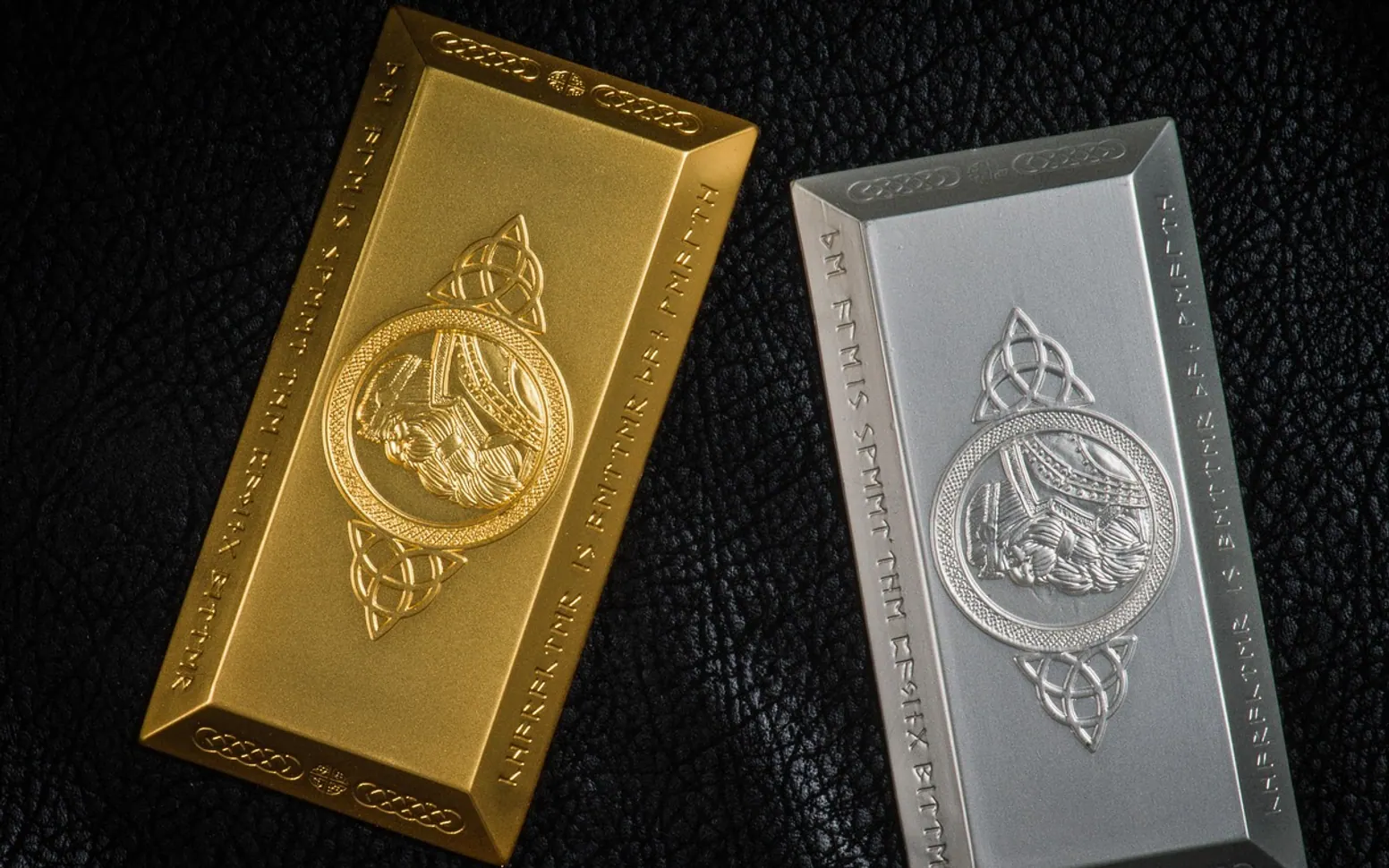
Slot machine tokens are metal coins issued by a casino for use in its own machines instead of national currency. They became common in American casinos when silver coins disappeared from circulation in the 1960s, and for decades they were the standard way to play dollar slots. Arcades used tokens for related reasons: to set their own prices, deter fake coins and keep cash out of the cabinets. Today both have mostly given way to bill validators, printed tickets and play cards, and old tokens have become collectibles.
Why casinos switched to tokens
Early slot machines took ordinary coins. That worked until the coins themselves changed. When the United States stopped minting silver coins for general circulation in the mid-1960s, the silver dollars that fed many machines were hoarded and vanished. Casinos began striking their own dollar-sized tokens, branded with the casino's name, to keep their machines running.
Tokens brought other advantages too:
- Control: a token only works in the issuing casino's machines, which limits theft and the use of foreign coins.
- Branding: each token carried the casino's name and artwork, a souvenir in every pocket.
- Flexible denominations: casinos could issue tokens for values that no coin covered.
- Security features: alloys, edges and sizes could be chosen to defeat slugs.
The coin-in, coin-out era
For a generation of players, a slot visit meant buying a roll or cup of tokens at a change booth, feeding them in by hand and hearing wins clatter into a metal tray. Change attendants walked the floor, and hoppers inside the machines had to be refilled. Large wins that exceeded the hopper's capacity were paid by hand by staff.
The noise was part of the appeal. A payout was something you could hear across the room and feel in the weight of the cup. That physical sense of money is a theme across this site's arcade stories, from penny falls on the pier to the medal corners of Japanese game centres.
What replaced them
| Step | What changed | Effect on play |
|---|---|---|
| Bill validators | Machines began accepting banknotes directly | Larger amounts went in at once |
| Credit meters | Wins stayed on screen as credits instead of dropping into a tray | Fewer pauses between spins |
| Printed tickets | Cashing out produced a barcoded voucher instead of coins | The floor went quiet; tickets moved between machines |
| Cards and apps | Some venues link play to cards or digital wallets | Money became a number on a display |
Each step made machines faster and cheaper to run. Each step also made money feel lighter. A cup of tokens is easy to watch shrinking; a credit meter is not. That is why many players who like to keep strict limits still bring a fixed float in cash and treat the chips, tokens or credits in front of them as real money, an idea covered in our guide to casino chips.
Arcade tokens
Arcades adopted tokens for similar reasons: they let operators price games independently of coin denominations, kept slugs and foreign coins out and reduced the cash sitting in each machine. Brass tokens with an arcade's logo were a familiar sight for decades. Many chains have since replaced them with reloadable cards, though some smaller arcades and seaside venues still use metal tokens. In Japan the equivalent survives as the medal, bought by the cupful and never exchangeable for cash.
Collecting tokens
Hobbyists sort their finds by casino, city, denomination and the mint that struck them, and trade them at shows and through collectors' clubs.
Casino tokens and arcade tokens are now collected in their own right, valued for their designs, the casinos they recall and the stories behind them. Tokens from closed or rebuilt casinos are especially popular. Collectors should note that a token's face value is usually only redeemable at the issuing casino, if at all, so its worth to a collector has little to do with the number stamped on it.
Quick answers
Can I still cash in an old slot token?
Sometimes, at the casino that issued it, if it is still operating and still accepts them. Check with the cashier; rules differ and redemption windows can close.
Are tokens the same as chips?
No. Chips are used at tables, tokens were used in machines. Both are casino currency that stands in for money inside one venue.
Casinos are open to adults only, and the rules on gambling vary by place, so check them before you play. Whether your stake is a token, a chip or a figure on a screen, decide the amount before you start and keep to it.
Constants of the cabinet
Fixed points behind every game
Whatever the theme, the lights or the feature list, these stay the same.
Results come from a random number generator and each spin stands alone.
The operator keeps a share of stakes over time; that is how the games are funded.
No feature, time of day or betting pattern turns play into income.
The info screen of the version you see is the only reliable source for its settings.
Every gambling game on these pages is for adults aged 18 and over.
Turbo and autoplay change how fast a budget is used, never the odds behind each spin.
Something to add?
Corrections are always welcome.