01Arcade History
Seoul’s Arcades: Rhythm Games, Fighting Corners and Claw Machines
Dance pads by the door, a row of fighting cabinets at the back and coin singing booths in between: how Seoul's game arcades took shape next to the karaoke room.
- Acc. no.
- TT.2026.24
- Hall
- 01Arcade History
- Catalogued
- Time to read
- 5 min
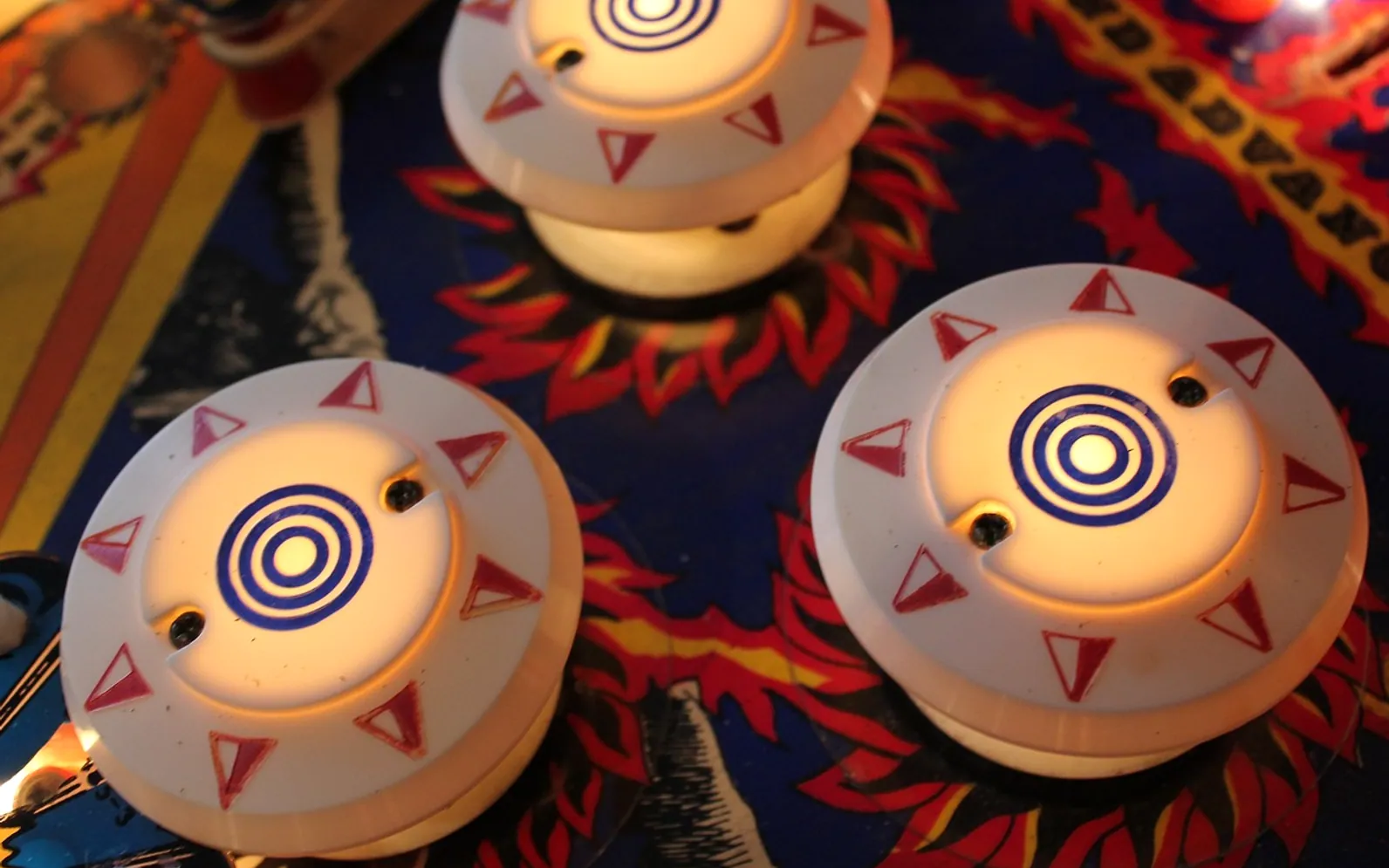
Seoul's game arcades, known locally as orakshil, developed in the same entertainment streets as the karaoke room, and the two have shaped each other ever since. A typical arcade today mixes rhythm and dance machines near the entrance, a quieter corner of fighting-game cabinets, rows of claw and prize machines, and small coin-operated singing booths that borrow directly from the noraebang. Knowing how those zones came about makes a visit more interesting, and a few habits around etiquette and coins keep it cheap and friendly.
Two kinds of leisure on the same street
Korean entertainment districts grew around universities, subway interchanges and shopping streets, places where young people had an hour or two and not much money. The arcade and the singing room answered the same need in different ways. One offered a short, cheap challenge on a screen; the other offered a private room in which a group could perform for each other. It was common for both to share a building, one on the ground floor and one upstairs or in the basement, with a PC room and a café somewhere nearby.
Because they competed for the same evenings, each began to absorb features of the other. Arcades added music games and, later, singing booths. Karaoke rooms added scoring systems, lighting effects and points that made a song feel a little like a round on a cabinet. The result is an arcade culture that leans more heavily on music and performance than many others.
The zones of a typical arcade
Rhythm and dance machines
Music games tend to sit near the front, partly because they draw a crowd. Dance machines with arrow pads on the floor became a spectator sport of their own, with skilled players performing full routines while friends watched from the railing. Alongside them stand drum kits, button-grid games, turntable-style controllers and touch-screen titles where notes fall towards a line. Regular players often bring their own gloves, use member cards to save scores and practise particular songs for weeks. For a newcomer, the easiest difficulty levels are generous and a single credit usually covers several songs.
The fighting-game corner
Further back, often under dimmer light, is the fighting-game area: cabinets placed back to back so two players face each other's screens without seeing each other. Korea built a strong competitive scene around these machines, and the corner still carries that seriousness. Matches are quick, the regulars know each other, and losing a round to a stranger is part of the culture rather than an insult.
Claw and prize machines
Prize cabinets spread from a few machines by the door to entire shops devoted to them, where rows of glass boxes hold plush characters, snacks, figures and gadgets. They are fun to play and fun to watch, but they are not purely about skill: many machines adjust grip strength according to their settings, a topic covered in more detail in our look at how the crane game decides a grip. Treat each attempt as the price of a short game rather than a step towards the prize.
Coin singing booths
The clearest link to karaoke is the coin noraebang: a row of small soundproofed booths, usually for one to three people, where each coin buys a song or two. They bring the private-room idea down to the scale of an arcade credit, which made them popular with students, solo singers rehearsing a tune and friends waiting for a table elsewhere. A booth has a screen, a couple of microphones, a song search and a small bench, and that is about all.
Arcade versus karaoke room at a glance
| Feature | Coin booth in an arcade | Full karaoke room |
|---|---|---|
| How you pay | Per song or per few songs | Usually by the hour |
| Group size | One to three people | Small groups up to large parties |
| Atmosphere | Quick, casual, drop-in | Longer sessions, food and drink, lighting |
| Typical use | Practising, filling a spare half hour | Celebrations, team dinners, nights out |
Many groups use both on one evening: a few songs in a coin booth while they wait, then a booked room later. For readers comparing full rooms in the south of the city, Korean-language guides such as 강남가라오케 이용 방법 explain how karaoke visits in Gangnam work, from booking to room types.
Arcade etiquette
Seoul arcades are informal, but a few unspoken rules apply:
- On busy machines, wait behind the player and let them finish their credit before stepping up.
- In the fighting corner, a coin on the cabinet or simply sitting down on the opposite side is the usual way to challenge.
- Do not film other players up close without asking, even the dance performers who seem to enjoy an audience.
- Keep bags off the dance pads and out of the walkway.
- In a coin booth, close the door fully; the soundproofing only works when it is shut.
Budgeting your coins
Arcades are designed to make small spending feel weightless, which is why it helps to decide a limit before the first credit. A simple routine works well:
- Choose an amount for the visit and change only that into coins or onto a card.
- Split it between zones, for example a share for music games and a smaller share for claw machines.
- Stop when the coins are gone rather than changing more at the machine.
- Count a prize as a bonus, not as the reason you played.
Prize games share some features with gambling, so keep them light-hearted. Gambling itself is for adults only, it should be treated as entertainment rather than income, and it is worth checking what the law allows where you are. Our wider piece on Japanese arcades and their medal games shows how a neighbouring country drew those lines differently.
Are Seoul arcades only for teenagers?
No. Students are the core crowd, but office workers, couples on a date and older players who grew up with the fighting cabinets are all common, especially in the evenings.
Do I need Korean to play?
Very little. Most machines show their controls with symbols, coin booths have simple song searches, and the staff at change counters are used to visitors pointing at the machine they want.
Walk through any of these arcades and the history is still visible in the layout: the music near the door, the competition at the back, the prizes in between and the singing booths along the wall, each one a small reminder of the karaoke room upstairs.
Constants of the cabinet
Fixed points behind every game
Whatever the theme, the lights or the feature list, these stay the same.
Results come from a random number generator and each spin stands alone.
The operator keeps a share of stakes over time; that is how the games are funded.
No feature, time of day or betting pattern turns play into income.
The info screen of the version you see is the only reliable source for its settings.
Every gambling game on these pages is for adults aged 18 and over.
Turbo and autoplay change how fast a budget is used, never the odds behind each spin.
Something to add?
Corrections are always welcome.